Removing hakea sericea from the Peneda-Gerês National Park (Portugal)
Project description
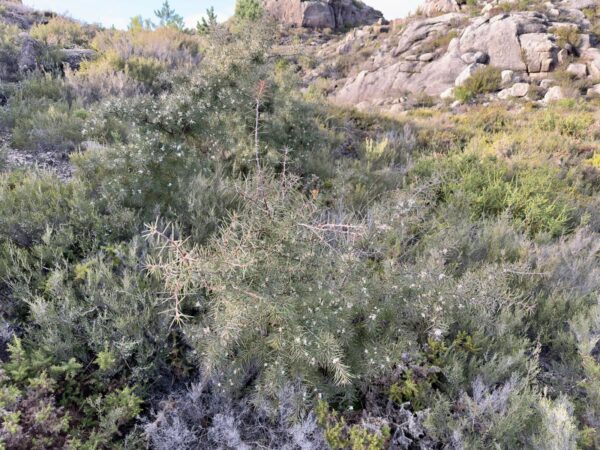
This project focuses on controlling and eradicating invasive populations of Hakea sericea in priority areas of Peneda-Gerês National Park in Portugal. This invasive plant threatens native ecosystems by outcompeting local vegetation and altering habitat structure, particularly in sensitive mountain landscapes.
Targeted interventions will be implemented in affected areas to reduce the extent of the invasion and prevent reinvasion. By focusing on priority sites, the project contributes to restoring native habitats and strengthening ecosystem resilience.
Threats

Habitat loss & degradation

Invasive alien species
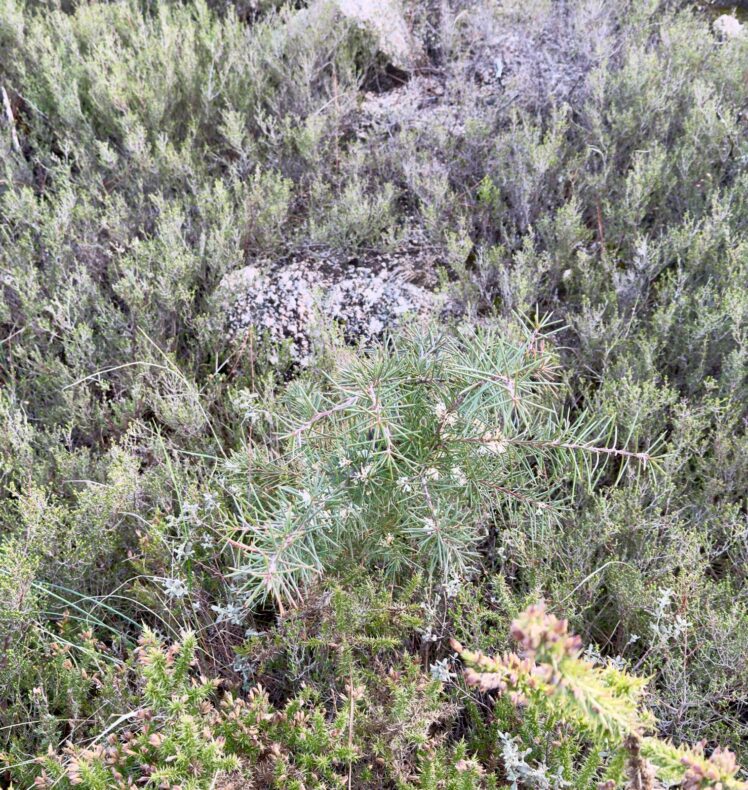
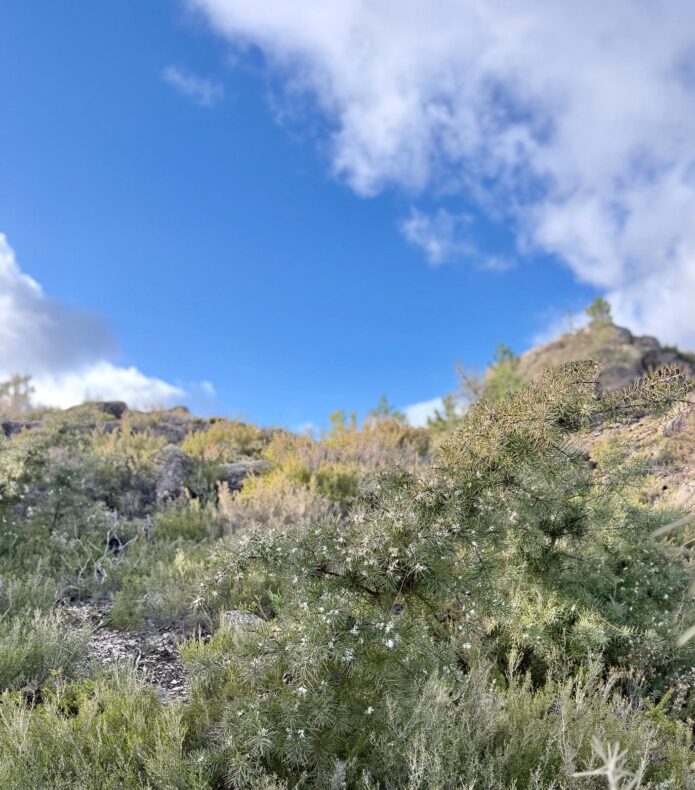
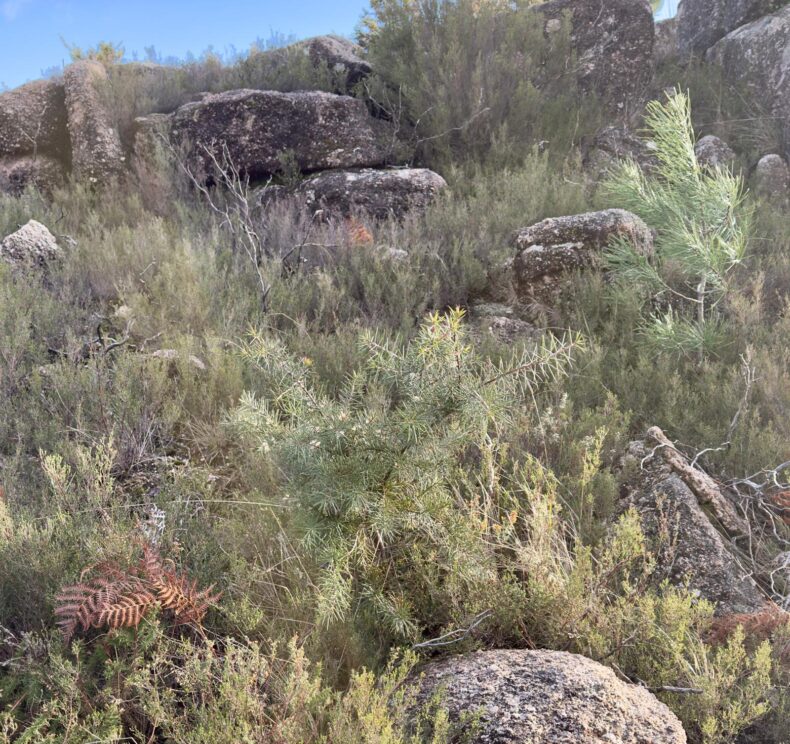
Through coordinated field actions, monitoring and stakeholder engagement, the project supports long-term biodiversity conservation and more effective management of invasive species within the park.
Project objectives
The project aims to reduce the extent and density of Hakea sericea populations through coordinated eradication efforts in priority intervention areas. It seeks to improve ecosystem resilience and protect native habitats by limiting the spread of this invasive species.
The project also aims to mitigate the risk of reinvasion through targeted and timely management actions.
Finally, it aims to support long-term conservation outcomes through effective implementation and stakeholder engagement.
Project activities
- Remove invasive populations: Carry out mechanical removal of Hakea sericea in targeted areas.
- Apply site-specific eradication methods: Use tailored techniques adapted to local environmental conditions.
- Map and document interventions: Record treated areas and monitor progress.
- Coordinate field implementation: Supervise and manage technical aspects of eradication efforts.
- Engage stakeholders and raise awareness: Promote understanding and support for invasive species management.