Rapid eradication of the red-billed leiothrix from a dune ecosystem in Flanders (Belgium)
Project description
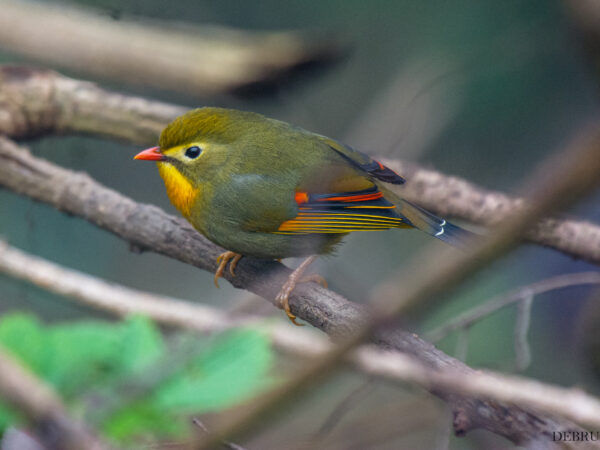
A small breeding population of the invasive red-billed leiothrix (Leiothrix lutea) was recently detected in the Natura 2000 dune reserve De Fonteintjes in Zeebrugge, marking the first confirmed breeding record of the species in Belgium. In other parts of Europe, this species has spread rapidly and can negatively affect native birds and ecosystem processes.
Threats

Invasive alien species
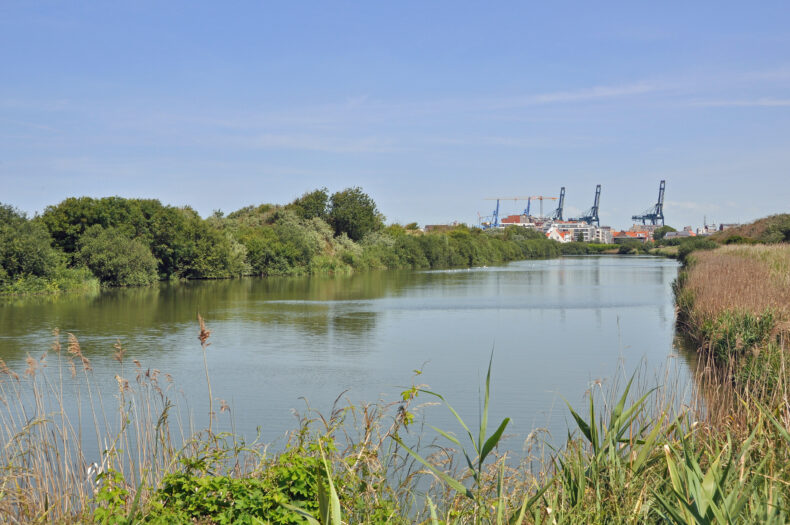
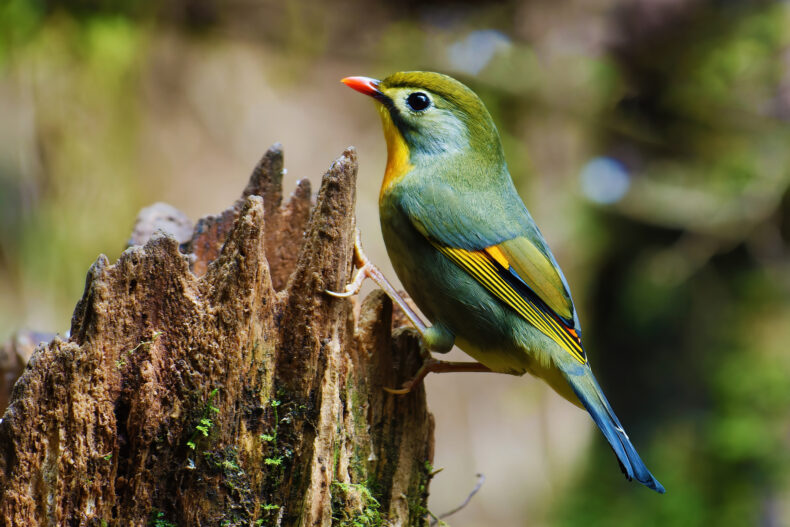
This project responds to the invasion at an early stage, when eradication is still feasible. It will combine field surveys, passive acoustic monitoring and targeted trapping to locate and remove all individuals from the site.
By acting quickly, the project aims to prevent the species from becoming established and spreading further, protecting sensitive coastal dune habitats. It also demonstrates the importance of early detection and rapid response in managing invasive species.
Project objectives
The project aims to prevent the establishment and spread of the red-billed leiothrix in Belgium by rapidly eliminating the newly detected population. It seeks to identify the distribution and activity patterns of the species to support effective and targeted removal.
The project also aims to confirm eradication success through intensive post-removal monitoring.
Finally, it aims to strengthen early detection and rapid response capacity and raise awareness among conservation stakeholders.
Project activities
- Map distribution and activity: Use field surveys and acoustic monitoring to detect and track individuals.
- Implement targeted eradication: Capture and remove birds using mist nets, traps and playback techniques.
- Verify eradication success: Conduct follow-up monitoring to confirm the absence of the species.
- Share results and lessons learned: Communicate outcomes with practitioners and invasive species networks.