Protecting native amphibians in Wallonia (Belgium)
Project description
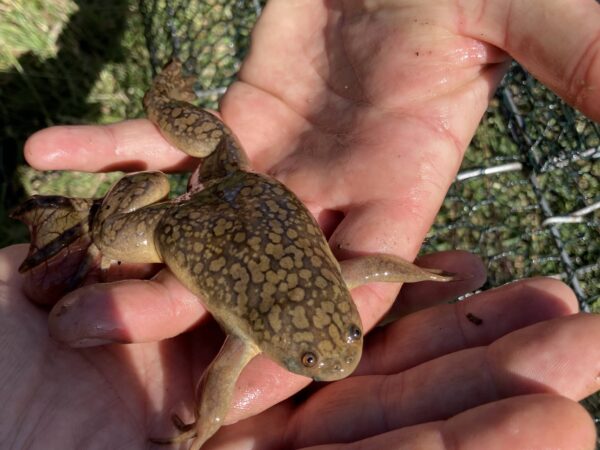
This project aims to control and eradicate an invasive population of the African clawed frog (Xenopus laevis) in the Douve Valley, in Comines-Warneton, Belgium. The area is of high ecological value and supports native amphibians, including the protected great crested newt (Triturus cristatus).
Threats

Invasive alien species
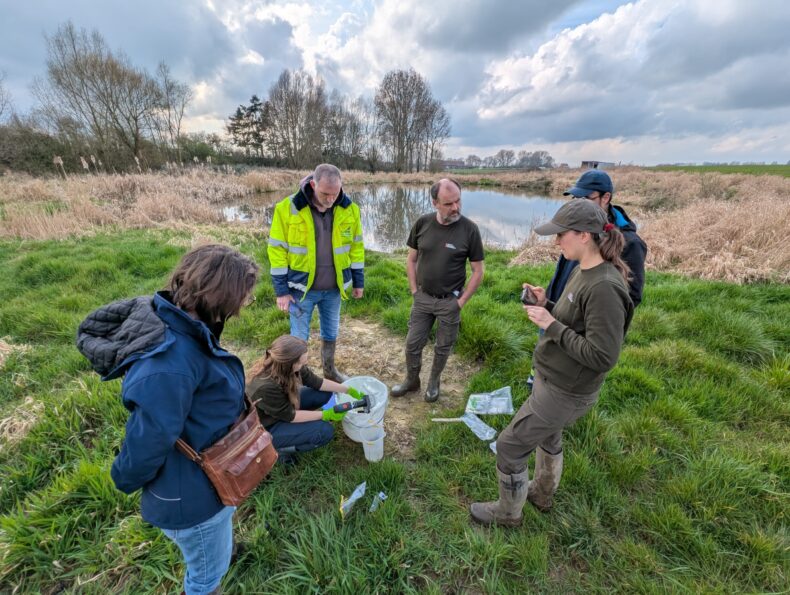
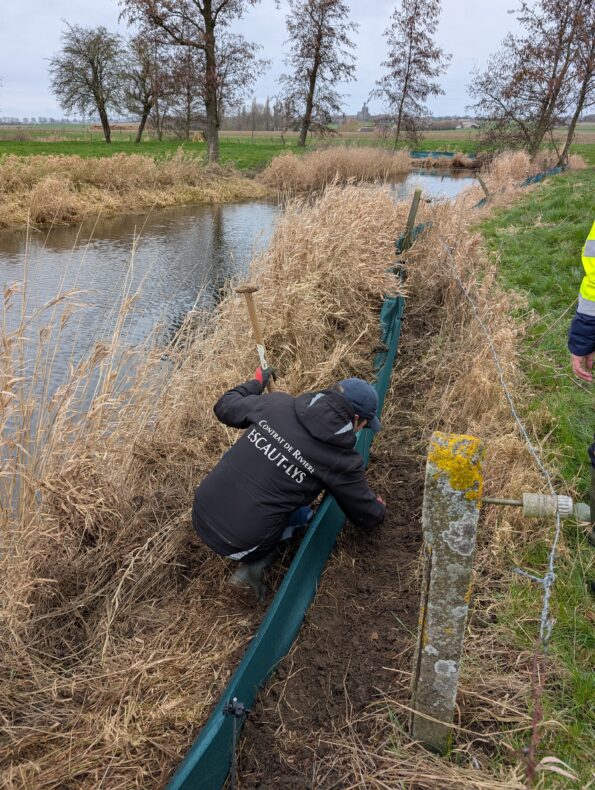
Initial management actions, such as installing barriers and draining breeding ponds, have shown positive results. However, recolonisation has occurred via the connected stream, highlighting the need for a more coordinated and targeted approach.
The project will implement additional control measures in key ponds and along the watercourse to reduce the spread of the species. It will also develop an adaptive management plan based on scientific data, including population density, habitat characteristics and feasibility of interventions. Given the transboundary nature of the invasion, the project is carried out in close collaboration with partners in both Wallonia and Flanders to ensure coordinated and effective action.
This project is implemented by the Contrat de rivière Escaut-Lys Asbl and the Wallonia Public Service (SPW).
Project objectives
The project aims to contain and eradicate the population of Xenopus laevis in the Douve Valley through coordinated and targeted management actions. It seeks to use environmental DNA (eDNA) monitoring to detect the species, estimate population size and assess the effectiveness of control measures.
The project also aims to prioritise and implement the most effective eradication methods across different habitats, while ensuring coordination between regions.
Finally, it aims to reduce the risk of further spread and protect native biodiversity, including threatened amphibian species.
Project activities
- Conduct eDNA monitoring: Collect and analyse environmental DNA samples to detect presence and guide interventions.
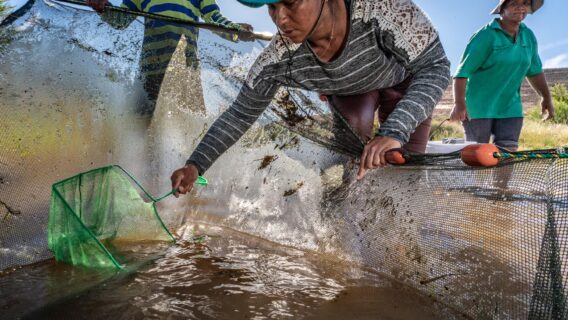
- Implement eradication measures: Apply targeted methods such as trapping, barriers and water level management in ponds and streams.
- Control dispersal along the watercourse: Use passive barriers, nets and traps to intercept migrating individuals.
- Coordinate and communicate actions: Work with regional partners and share results with stakeholders.