Mesola Pollinators (Italy)
Project description
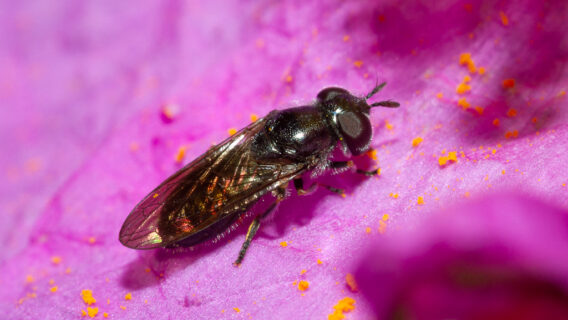
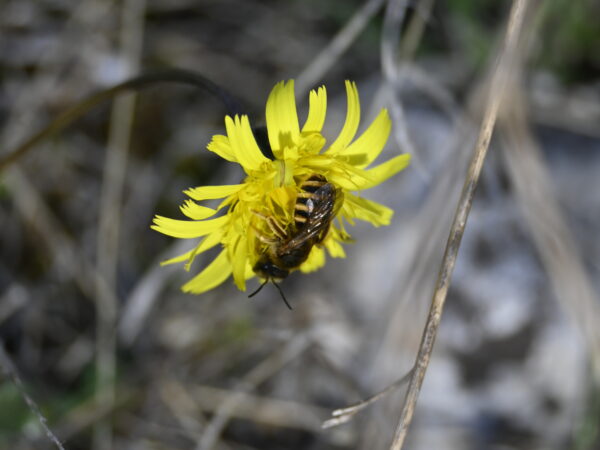
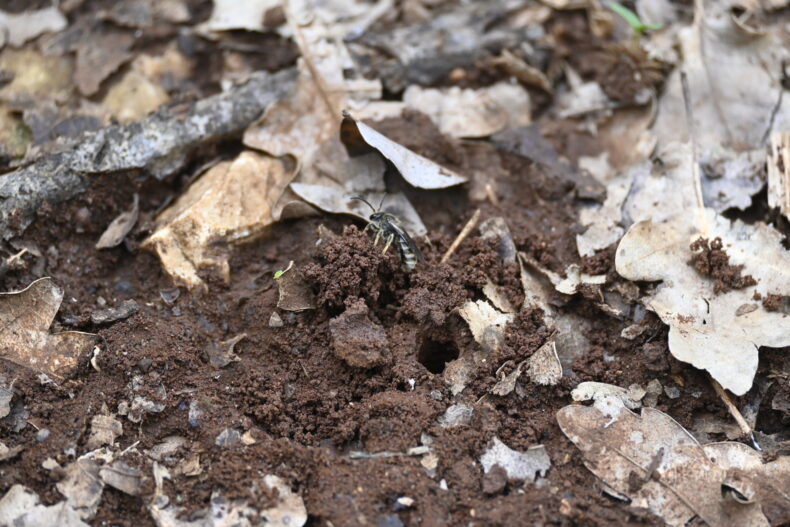
The Mesola Pollinators project addresses the decline of pollinating insects through a combination of citizen science and environmental education in the Natura 2000 site Bosco di Mesola, Italy. By engaging young people and local communities, the project links scientific data collection with practical action to support pollinators.
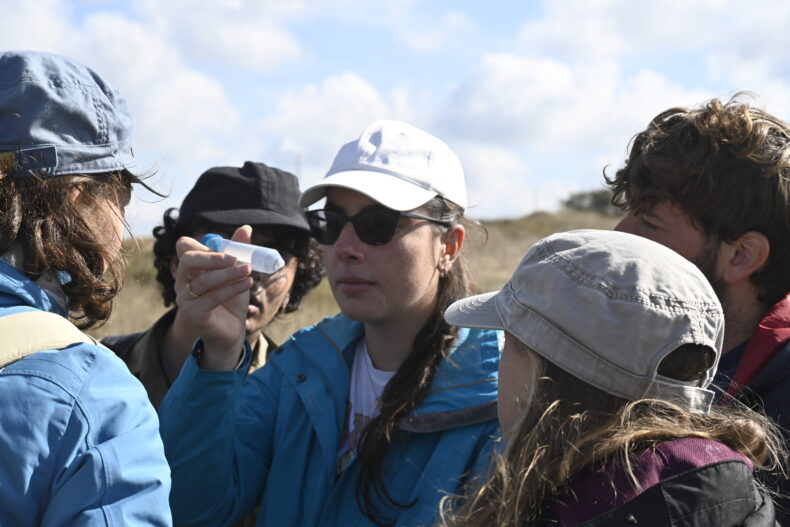
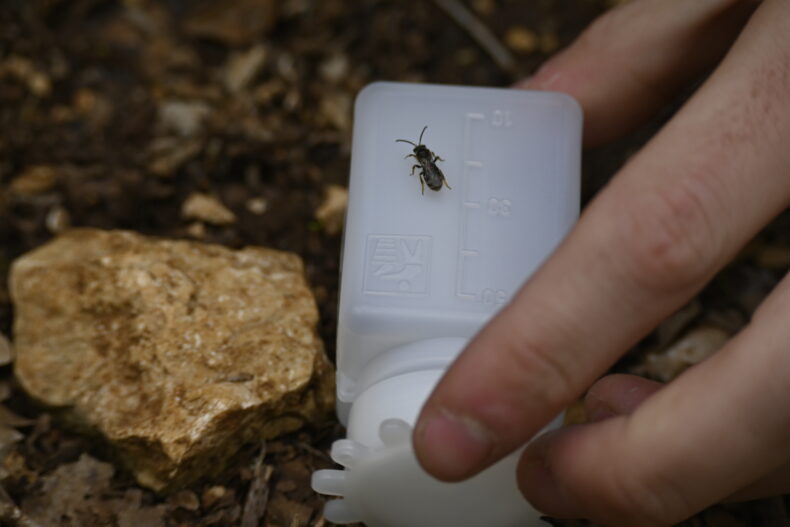
Through structured events and participatory activities, citizens contribute to monitoring pollinators while gaining a better understanding of their ecological importance. The knowledge generated is translated into accessible tools and guidance, helping individuals adopt pollinator-friendly practices in their daily lives.
Threats

Habitat loss & degradation

Human-wildlife conflict

Impact of agricultural practices

Over-exploitation of natural resources & prey depletion
By bringing together municipalities, schools, local farms and community groups, the project strengthens collaboration and builds a shared sense of responsibility for biodiversity. It also aims to leave a lasting impact by creating a network of trained young people and fostering long-term community engagement in conservation.
This project is implemented by Vittoria Gravinese.
Project objectives
The project aims to mobilise local stakeholders, including municipalities, schools, youth groups and local communities, to actively participate in pollinator conservation. It seeks to increase awareness of the ecological importance of pollinators by transforming scientific knowledge into accessible and practical information.
The project also aims to strengthen community engagement and shared responsibility through participatory activities and outreach.
Finally, it aims to create a lasting legacy by generating useful data, training young people and developing tools that can be replicated in other Natura 2000 sites.
Project activities
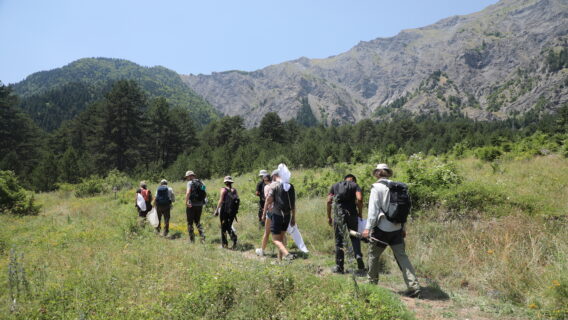
- Organise bioblitz events: Conduct participatory surveys to engage citizens in pollinator monitoring.
- Develop interactive educational tools: Set up a travelling “sensory museum” on pollinators in schools and local farms.
- Deliver training activities: Provide immersive training for selected participants to build skills and capacity.
- Engage stakeholders and institutions: Hold meetings with local authorities and participate in festivals to promote the project.