Moths of Epirus (Greece)
Project description
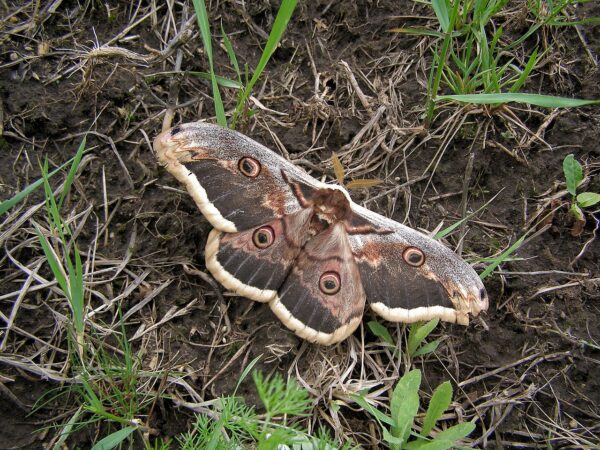
Moths are an important but often overlooked group of pollinators, and their diversity remains poorly understood in many regions. The Moths of Epirus project aims to address this gap by studying moth species in the Epirus region of Greece through systematic sampling and data analysis.
Threats

Habitat loss & degradation

Impact of agricultural practices

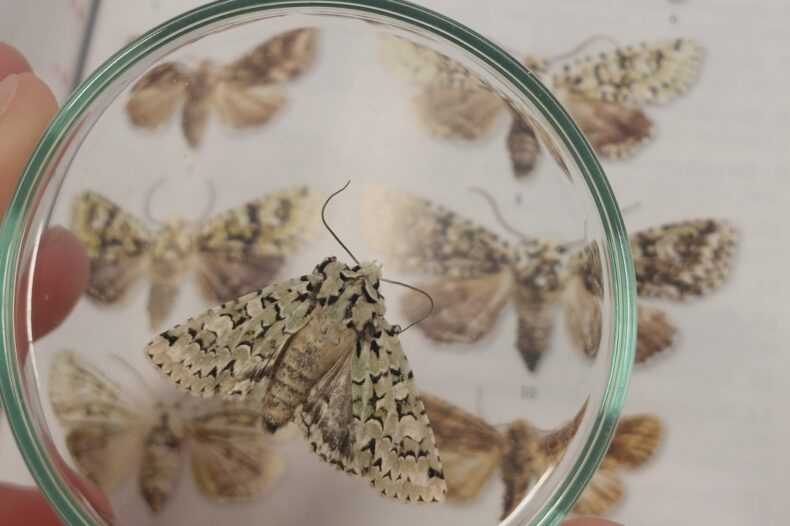
By generating new scientific knowledge on moth diversity and distribution, the project will contribute to a better understanding of their ecological role, including pollination and other ecosystem services. It also highlights key pressures affecting moth populations, such as light pollution and habitat change.
Alongside research, the project places a strong emphasis on public engagement. Through citizen science activities, educational programmes and outreach events, it aims to challenge misconceptions about moths and raise awareness of their importance, encouraging greater community involvement in their conservation.
This project is implemented by Nikolaidou Aliki.
Project objectives
The project aims to compile a comprehensive list of moth species in the Epirus region and analyse their biodiversity, improving the scientific knowledge base for this understudied group. It seeks to raise awareness of the ecological importance of moths and the threats they face, including light pollution and habitat loss.
The project also aims to engage young people, students and local communities in conservation through education and citizen science activities.
Project activities
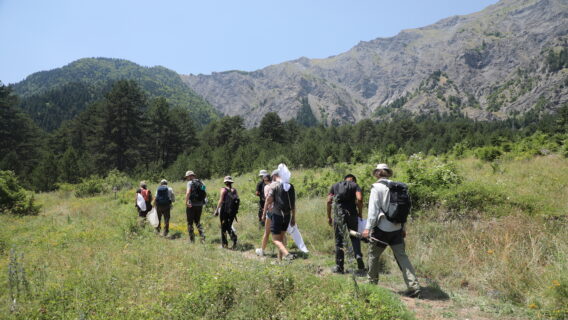
- Conduct field sampling: Survey moth populations over a one-year period across selected locations.
- Analyse biodiversity data: Study species diversity and distribution based on collected data.
- Deliver educational activities: Organise events in schools and universities to raise awareness of moths.
- Engage communities and youth networks: Host public events and citizen science activities involving volunteers and local groups.