TEASEL BEE-ATLAS (Greece)
Project description
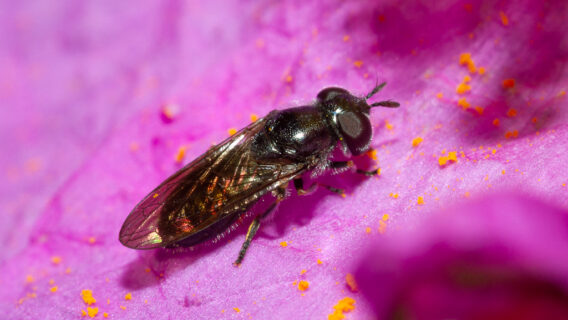
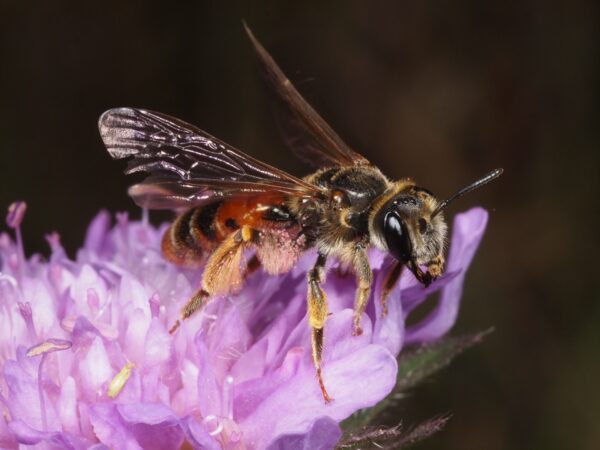
Rare bees that depend on scabious plants are among the most threatened pollinators, yet their status in Greece remains poorly understood. The TEASEL BEE-ATLAS project aims to address this gap by documenting where these specialised species occur and what habitats they require.
Through surveys of both historical and new sites, the project will generate much-needed data on their distribution and ecology. At the same time, it brings together young people, farmers, general public and authorities to raise awareness and promote pollinator-friendly practices.
Threats

Climate change

Habitat loss & degradation

Impact of agricultural practices
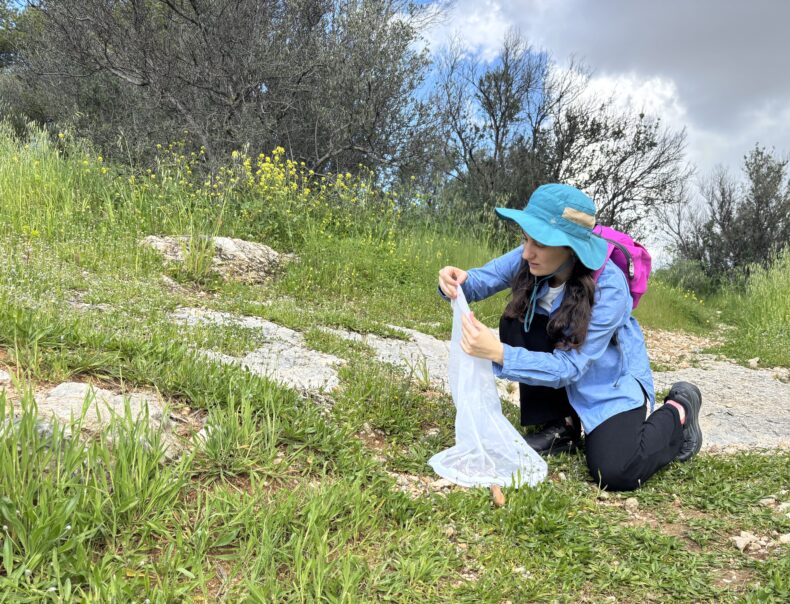
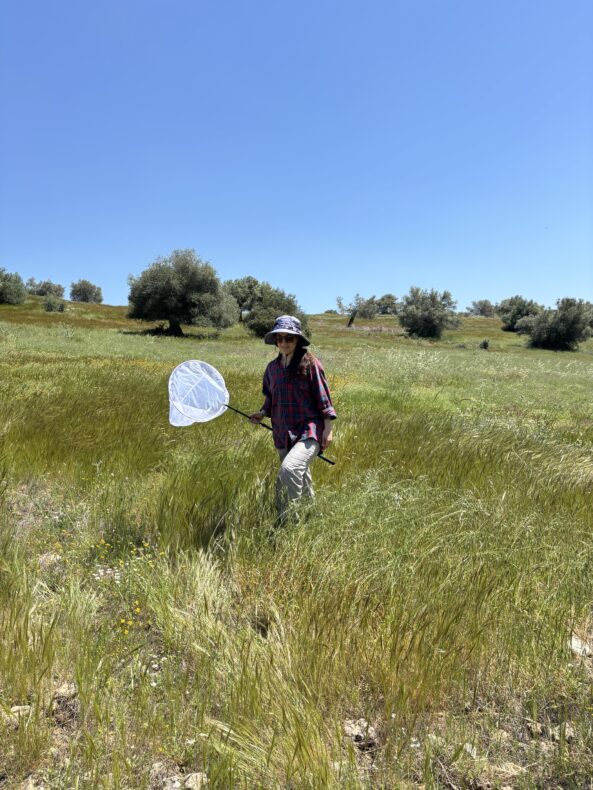
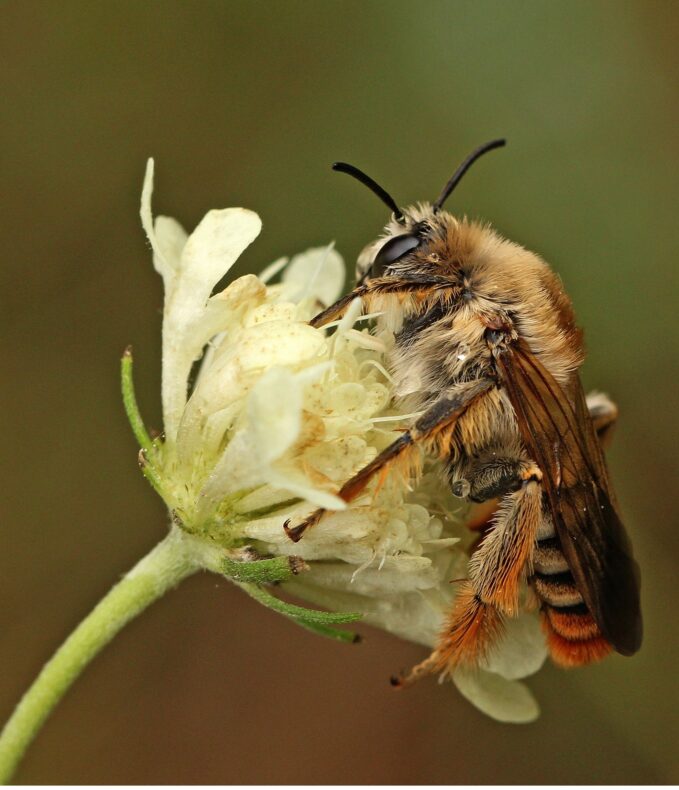
By combining research with community engagement, the project contributes to the protection of these unique pollinators and the ecosystems they support.
This project is implemented by Myrto Barda.
Project objectives
The project aims to assess the distribution of rare teasel-specialised bees in Greece by revisiting historical locations and exploring new potential habitats. It seeks to improve understanding of their ecological requirements, providing a stronger basis for conservation action.
The project also aims to promote pollinator conservation by engaging young people, raising awareness among farmers and encouraging citizen participation in monitoring activities.
Project activities
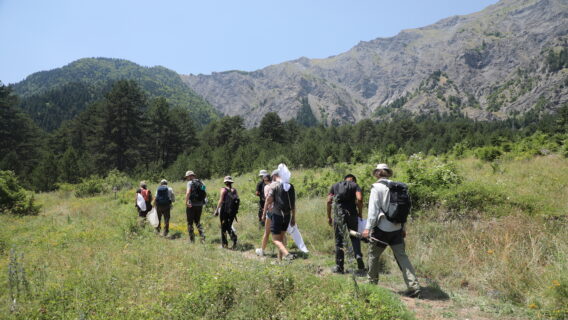
- Survey key sites: Conduct field surveys at historical and new locations to document teasel-specialised bees.
- Collect ecological data: Gather information on habitats and species requirements to support conservation efforts.
- Engage communities and stakeholders: Organise workshops and awareness activities involving youth, farmers and general public.