Horti urbis — Pollinator biodiversity conservation and drivers in urban allotment gardens of Rome (Italy)
Project description
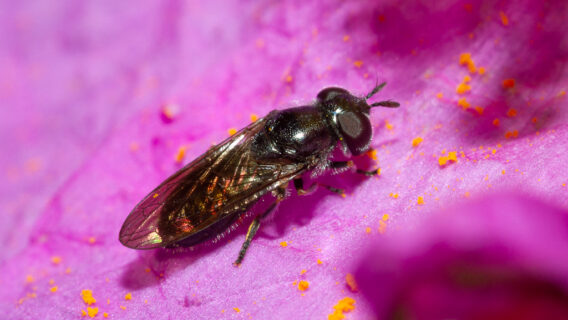
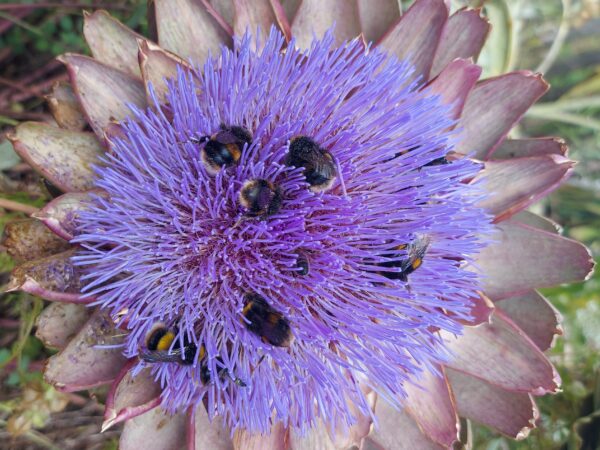
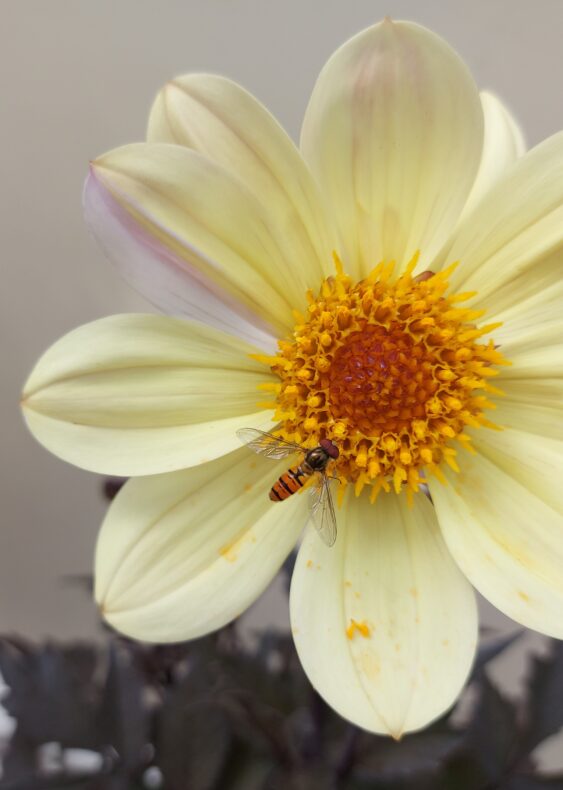
Habitat loss and urbanisation are major drivers of pollinator decline. At the same time, urban green spaces, such as allotment gardens, can provide important refuges by offering food resources and nesting habitats. Despite this potential, allotments remain underexplored in research and conservation planning.
Threats

Habitat loss & degradation

Impact of agricultural practices
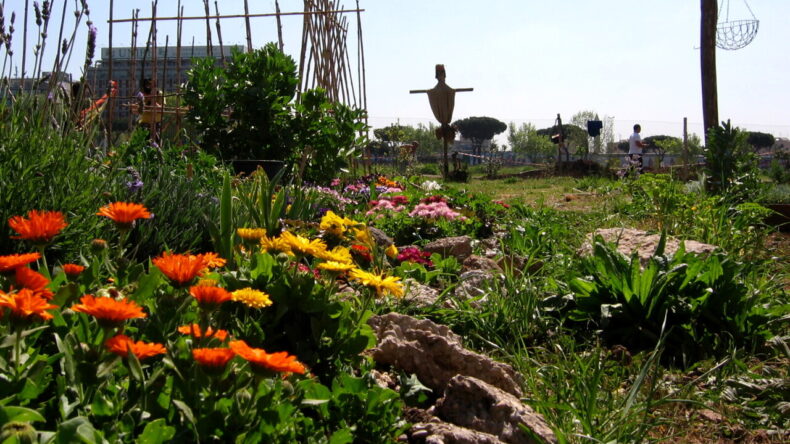
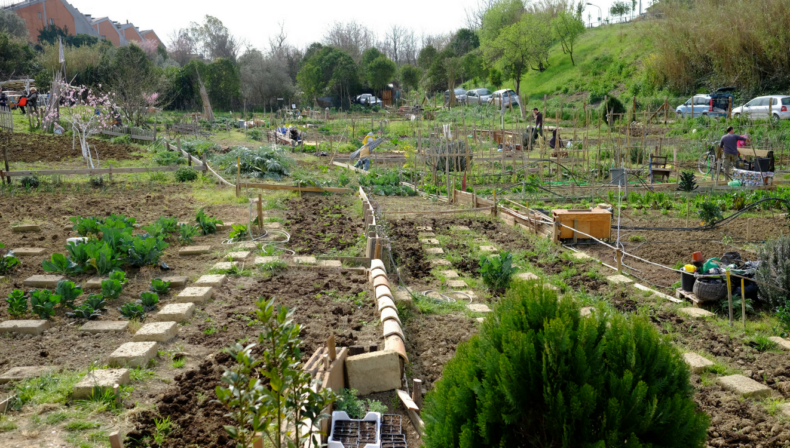
This project focuses on allotment gardens in Rome, where 23 regulated sites offer a unique opportunity to support pollinators while engaging local communities. By combining ecological research with social insights, the project will investigate how plant–pollinator interactions and gardening practices influence urban pollinator communities.
Through citizen science and participatory activities, allotment holders, young people and schoolchildren will be actively involved in monitoring pollinators and promoting pollinator-friendly practices. By linking research with everyday gardening, the project aims to strengthen both biodiversity and community engagement in urban conservation.
This project is implemented by Francesca Martelli.
Project objectives
The project aims to promote pollinator-friendly habitats in urban allotment gardens by improving understanding of the ecological and social factors that influence pollinator communities. It seeks to generate new knowledge on plant–pollinator interactions and the role of gardening practices in shaping urban biodiversity.
The project also aims to engage citizens, particularly allotment holders and young people, in conservation through participatory approaches, including citizen science and education.
Finally, it aims to foster long-term stewardship and provide a scalable model for pollinator conservation in urban environments across Europe.
Project activities
- Monitor pollinators through citizen science: Engage allotment holders in collecting data on pollinators and their interactions.
- Deliver workshops for gardeners: Provide training on urban pollinators and pollinator-friendly gardening practices.
- Run educational activities with schools: Involve young people in learning about pollinators and urban biodiversity.
- Promote pollinator-friendly habitats: Support the implementation of small-scale conservation actions in allotments.
This project is part of the European Fund for Youth Action on Pollinators.