Buzz for Change (Slovakia)
Project description
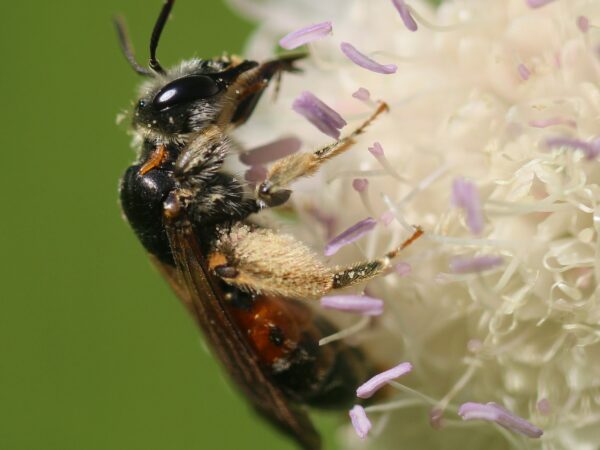
Buzz for Change empowers young people in Slovakia to actively protect wild pollinators through hands-on conservation, education and advocacy. By combining practical action with learning, the project enables youth to restore habitats, generate knowledge and influence local decision-making.
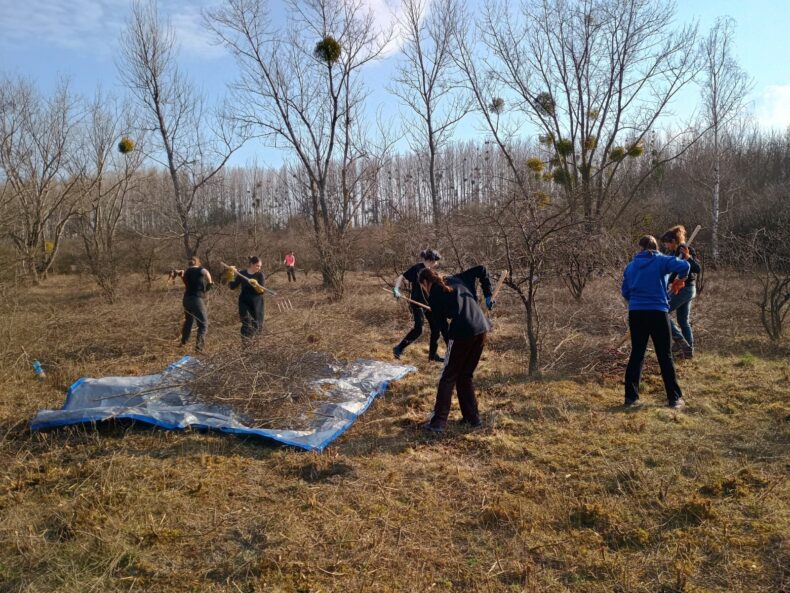
The project focuses on both natural and urban environments, from restoring meadows affected by invasive species to creating pollinator-friendly spaces in schools and communities. At the same time, young participants contribute to citizen science by collecting data on pollinators, helping to improve knowledge of species that are often under-recorded.
Threats

Habitat loss & degradation

Impact of agricultural practices

Invasive alien species

Reduced genetic diversity
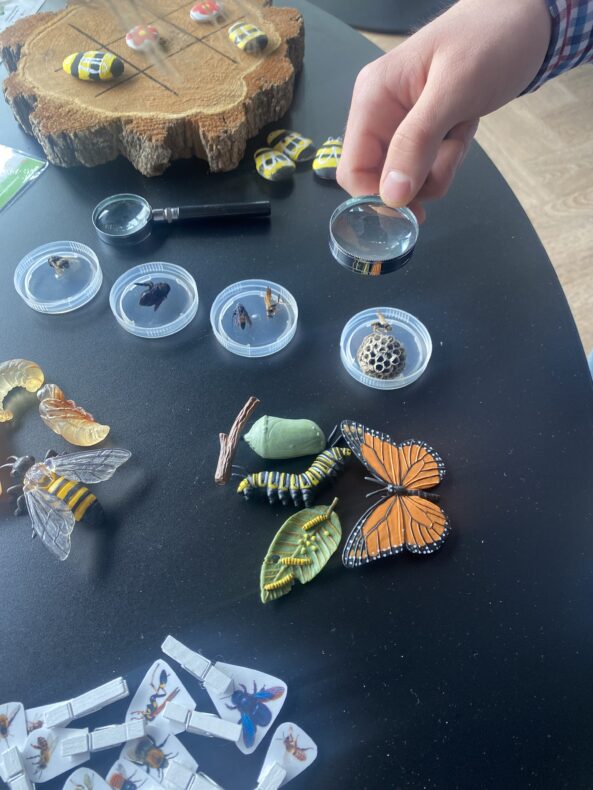

Through educational activities, peer-led campaigns and collaboration with municipalities, the project raises awareness of the importance of pollinators and promotes concrete actions to support them. By linking local action with policy engagement, Buzz for Change aims to create lasting benefits for both pollinators and communities.
This project is implemented by the DAPHNE – Institute of Applied Ecology.
Project objectives
The project aims to create and restore habitats that support wild pollinators in both natural and urban environments. It seeks to improve the status of pollinator populations by promoting nature-based solutions and better land management practices. The project also aims to raise awareness of the essential role pollinators play in ecosystems and everyday life, encouraging more sustainable behaviours. Finally, it aims to mobilise young people and the wider community to take concrete action for pollinator conservation and contribute to positive change at local level.
Project activities
- Create and restore pollinator habitats: Restore meadows in protected areas and develop urban habitats through native planting, hedgerows and bee hotels
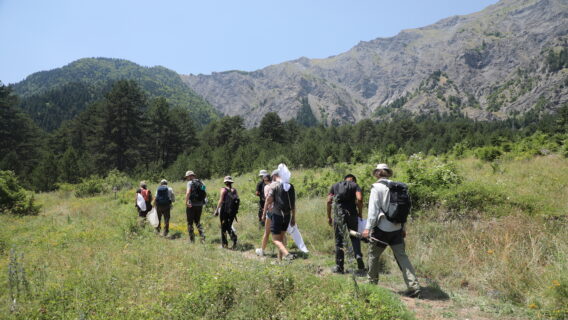
- Generate data through citizen science: Train youth to monitor pollinators using simple protocols and digital tools, improving knowledge of species and habitats
- Deliver education and awareness activities: Organise workshops and peer-led campaigns to promote understanding of pollinators and encourage behaviour change
- Engage with policy and local authorities: Work with municipalities to promote pollinator-friendly practices such as adapted mowing, native planting and reduced pesticide use
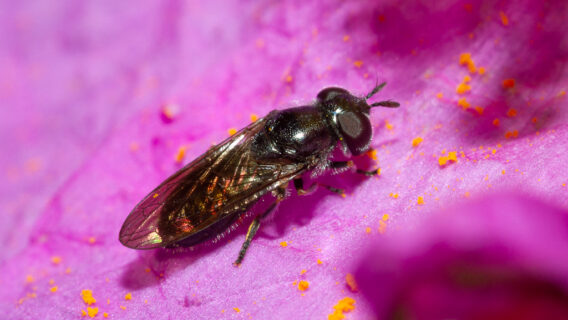
- Monitor and adapt conservation actions: Track pollinator groups such as wild bees, hoverflies and butterflies to assess habitat quality and guide management decisions