TeaselBees — A cross-border study to protect teasel-plant-specialised wild bees (Austria & Hungary)
Project description
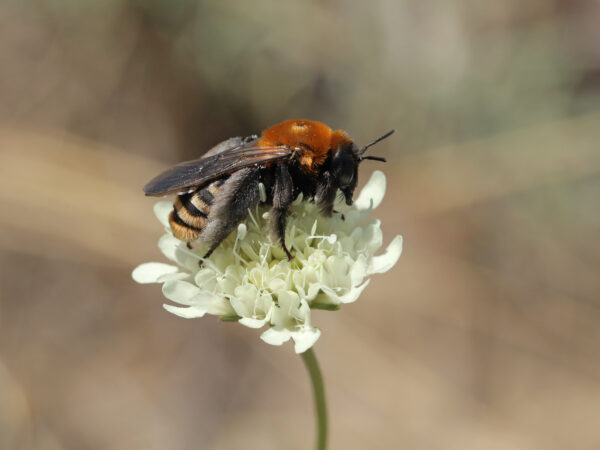
This project aims to improve knowledge of wild bee species that depend on teasel plants in Austria and Hungary. These specialised bees are often rare and occur only in specific locations, making them difficult to capture through standard monitoring and still poorly understood.
Threats

Habitat loss & degradation

Impact of agricultural practices
Focusing on eastern Austria and central Hungary, areas identified as important strongholds—the project combines existing data with targeted field surveys to identify where these species occur and what habitats they depend on. It will assess key ecological factors that support their presence and survival.
The results will provide a stronger basis for conservation action, including improved habitat management and protection measures. The project will also raise awareness among experts, stakeholders and the public about the importance of conserving these specialised pollinators.
This project is implemented by Johannes Pfrommer.
Project objectives
The project aims to improve knowledge of the population status and habitat requirements of teasel plant-specialised wild bee species, providing a solid basis for their conservation and management.
It also seeks to identify current locations where these species still occur in Austria and Hungary, in order to support the development and implementation of targeted conservation measures.
Finally, the project aims to contribute to greater awareness and understanding of these specialised pollinators among experts, stakeholders and the public, helping to strengthen efforts to protect them.
Project activities
- Evaluate existing data: Analyse available monitoring data to better understand current knowledge of the target species
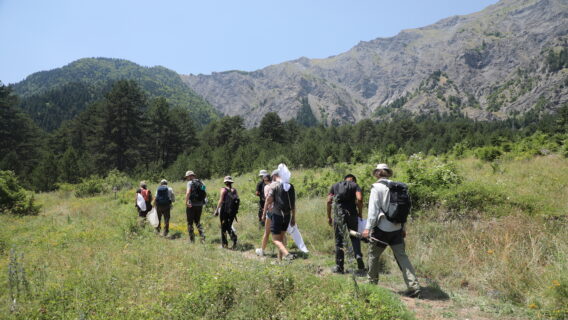
- Conduct targeted field research: Survey historical sites and suitable habitats to identify where these bees occur today
- Assess distribution and habitat needs: Study species distribution and habitat characteristics to identify key ecological requirements
- Develop recommendations and share findings: Provide guidance for habitat management and communicate results to experts, stakeholders and the public