BeeDisCo — Rediscovering Carinthia’s wild bees (Austria)
Project description
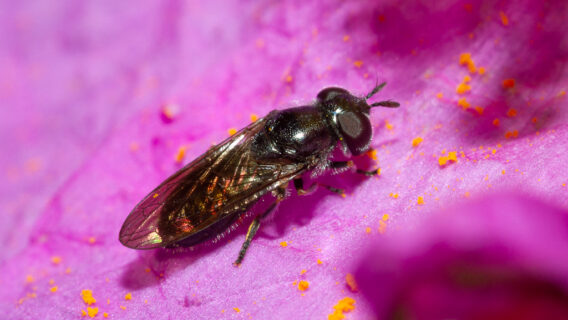
Between 2021 and 2022, Malaise traps were deployed across several protected areas in Carinthia by the Carinthian State Museum, generating valuable samples of insect specimens. While this material holds significant scientific potential, the wild bee specimens have not previously been analyzed, leaving a critical gap in up-to-date knowledge on regional pollinator diversity.
Threats

Habitat loss & degradation

Impact of agricultural practices
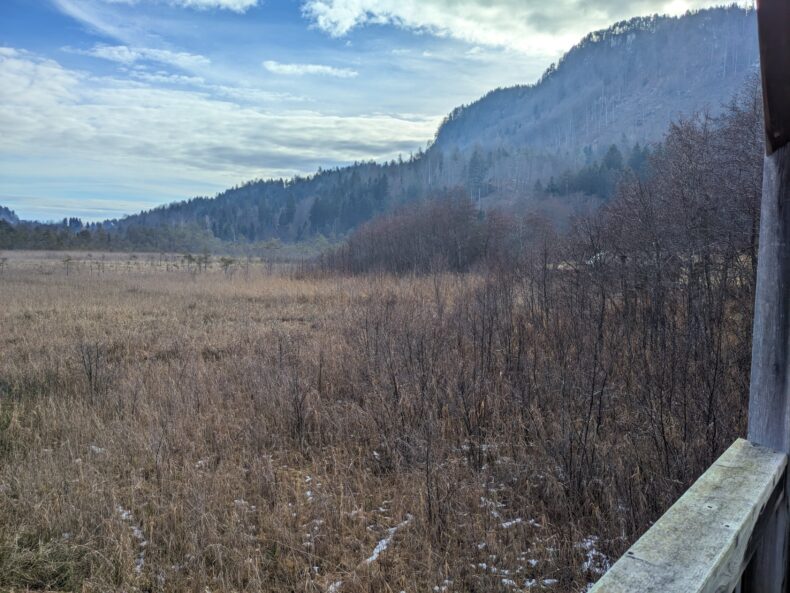
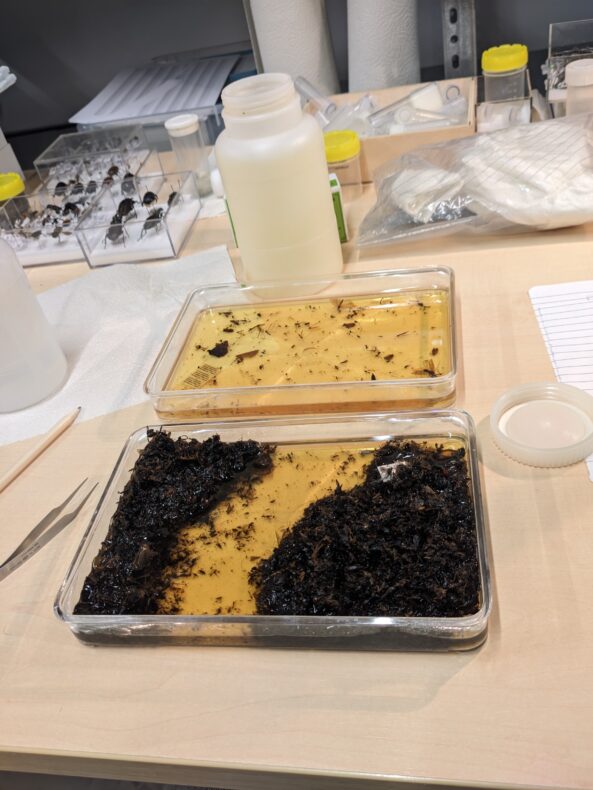
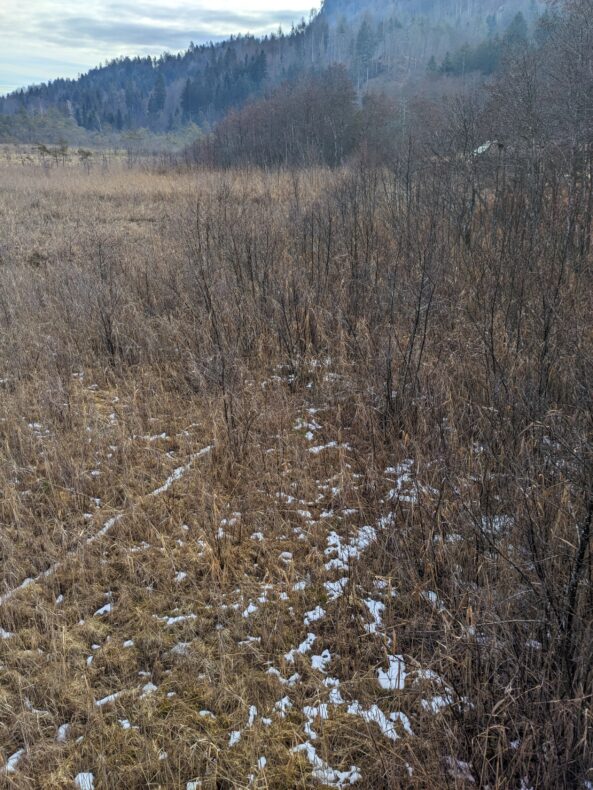
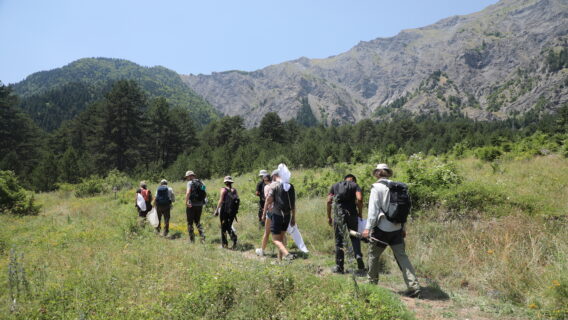
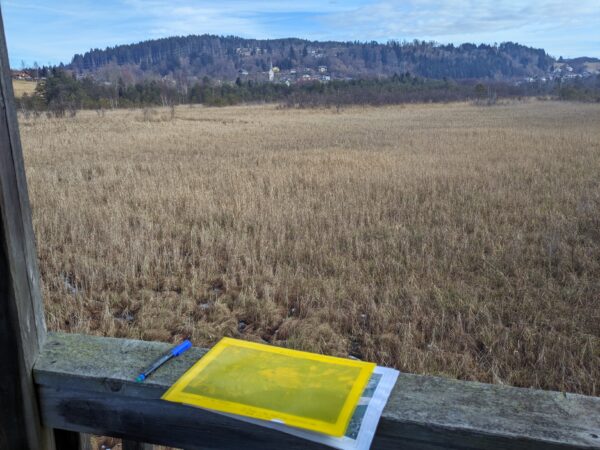
This project addresses that gap by identifying all wild bee specimens from these samples to species level, producing a contemporary dataset on wild bee richness in these protected landscapes. The results will directly inform conservation management: species data and ecological requirements will be used to refine management planning for the Natura 2000 site Weinitzen, while targeted habitat interventions will be implemented in the Ramsar site Dobeinitz to control shrub encroachment and maintain open habitats essential for wild bees and other taxa.
Beyond research and management outcomes, the project will translate scientific findings into public awareness through a popular science article highlighting the ecological importance of wild bees and the need to safeguard their habitats. By linking taxonomy, site management and outreach, the initiative strengthens evidence-based conservation and supports long-term biodiversity monitoring in Carinthia.
This project is implemented by Peter Unglaub.
Project objectives
The project aims to identify all wild bee specimens collected in Malaise traps in 2021–2022 across protected areas in Carinthia in order to produce an updated and reliable dataset on regional species richness. By analysing species composition and ecological requirements, it will generate evidence to guide habitat management, support optimisation of conservation plans in Natura 2000 and Ramsar sites, strengthen the scientific baseline for long-term pollinator monitoring and increase public awareness of wild bee conservation through accessible communication of results.
Project activities
- Maintenance of pollinator-friendly habitats.
- Wild bee monitoring in protected areas.
- Writing and publishing a popular science article.
- Delivery of a wild bee workshop.
This project is part of the European Fund for Youth Action on Pollinators.